The International Institute of Tropical Agriculture (IITA) contracted Dr. Ralph Roothaert of Mukinduri to analyse degradation patterns in pastoral lands across the Sahel and to develop a strategic implementation plan for the Regional Hub for Fertiliser and Soil Health for West Africa and the Sahel.
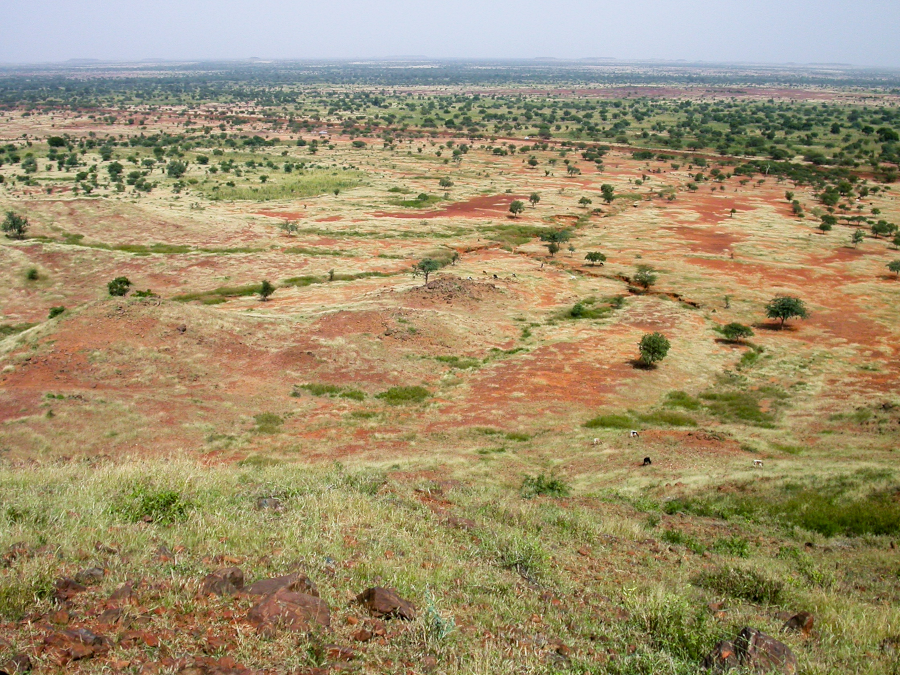
The study focused on the semi-arid regions of Senegal, Mauritania, Mali, Burkina Faso, Niger, Nigeria, and Chad. Through an extensive literature review and a series of stakeholder interviews, the research examined both the current status and the underlying causes of pastoral land degradation.
The analysis included critical biophysical factors, such as soil erosion, surface crusting, hardpan formation, biodiversity loss, and declining soil fertility. In parallel, socio-economic factors were assessed, particularly grassland productivity and livelihood opportunities, with specific attention to pastoralist youth.
Africa’s population growth is the fastest globally, and in the Sahel it is occurring predominantly in rural areas. This demographic pressure is intensifying competition for land. Agricultural expansion is increasingly encroaching on areas traditionally reserved for grazing. Farmers often use manure collected from cattle during night corralling to fertilise cropland. While beneficial for crop production, this practice contributes to a negative nutrient balance in pastoral lands, accelerating degradation.
The study identified a range of technically feasible solutions. However, their effectiveness depends on strong local ownership, enabling policy frameworks, and capable leadership structures. Numerous research gaps were also highlighted, underscoring the need for continued investment in evidence-based approaches.
The findings reaffirm that pastoralism itself remains central to sustainable pastoral land management. Protecting livestock mobility is a critical pillar of long-term ecological resilience and socio-economic sustainability in the Sahel.