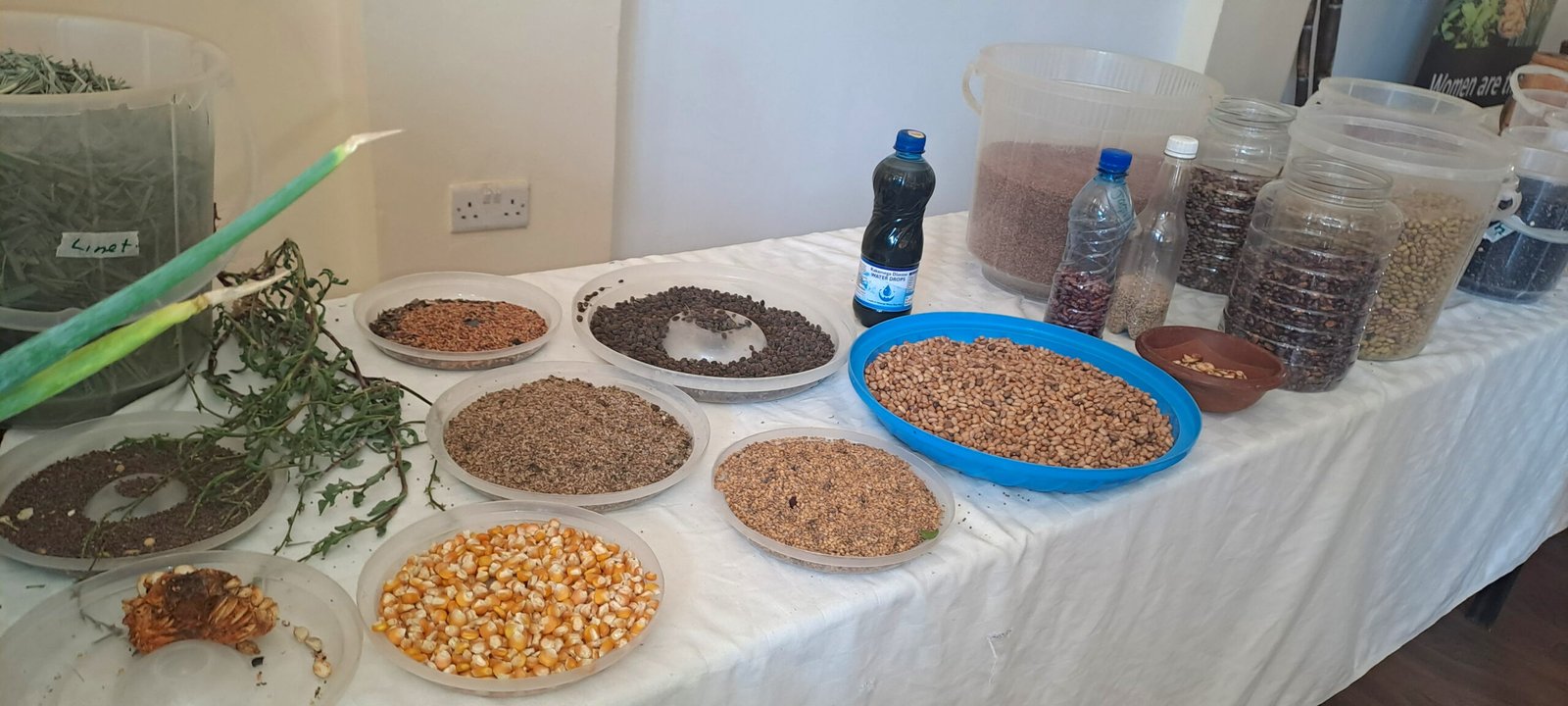
Mukinduri welcomes the lifting of the ban on seed sharing in Kenya. Farmers can now freely exchange and sell seeds of indigenous vegetables that are widely preferred by local consumers. This policy shift opens up small business opportunities for women, youth, and resource-constrained farmers, as seed production and exchange require relatively low start-up capital.
During the period of the ban, many indigenous vegetable seeds were not sufficiently taken up by formal seed companies. The relatively low production volumes did not support commercially viable business models within the conventional seed sector. In addition, crops such as African nightshade (managu) exist in numerous local varieties, each characterised by distinct taste profiles and strong consumer preferences. This diversity makes centralised commercial standardisation more complex.
While the lifting of the ban creates new opportunities, it also calls for responsible seed system management. Small-scale seed producers and farmers are encouraged to organise themselves and establish participatory seed guarantee systems. Such systems should be guided by basic seed quality parameters, including varietal purity, germination percentage, viability, and sanitary standards.
Strengthening community-based seed systems will promote seed exchange, livelihood opportunities, and a diversity of what farmers produce and what consumers eat.
For more details, see:
https://theorganicfarmer.org/the-ban-on-unregistered-seed-sharing-has-been-lifted/