The need to change food systems
Conventional food production and marketing approaches are no longer viable in a world facing climate change, environmental degradation, and persistent malnutrition. Agriculture accounts for over 25% of global greenhouse gas emissions, much of which can be reduced through sustainable practices. Overuse of chemicals pesticides is causing environmental and human health hazards. While in northern countries, too much fertiliser is used, in Africa there is a perpetual shortage which prevents the regeneration of degraded lands. Despite Sustainable Development Goal 2.2 of the United Nations, aiming to end malnutrition by 2030, undernutrition, overnutrition, and micronutrient deficiencies remain prevalent in sub-Saharan Africa—especially affecting women and children.
Agriculture employs 50% of Africa’s population, predominantly through small-scale farming, and remains the main source of employment in eastern, central, and western Africa. However, incomes in this sector are disproportionately low, especially for women who make up the majority of the workforce. Ironically, those who feed the continent earn the least. With 70% of sub-Saharan Africa’s population under 30 and many unemployed, food system transformation is not only urgent—it is essential for equity and sustainability.
What we can do to improve it
At Mukinduri we see many opportunities to make positive changes in the African food systems. These changes require interventions in partnership with the non-profit sector, the government and the private sector. Together we build new agroecological production systems, involving all stakeholders and creating employment opportunities for youth, women and men. Our innovative agroecological technologies and approaches are embedded in market systems. The space of agricultural market development is becoming more and more digital, offering excellent opportunities for youth. Within our Mukinduri team, we have extensive experience with approaches that combine technical adaptations, social engagement, and market systems which are embedded in African food systems.
The services we provide at Mukinduri cover the following areas:
Multistakeholder research
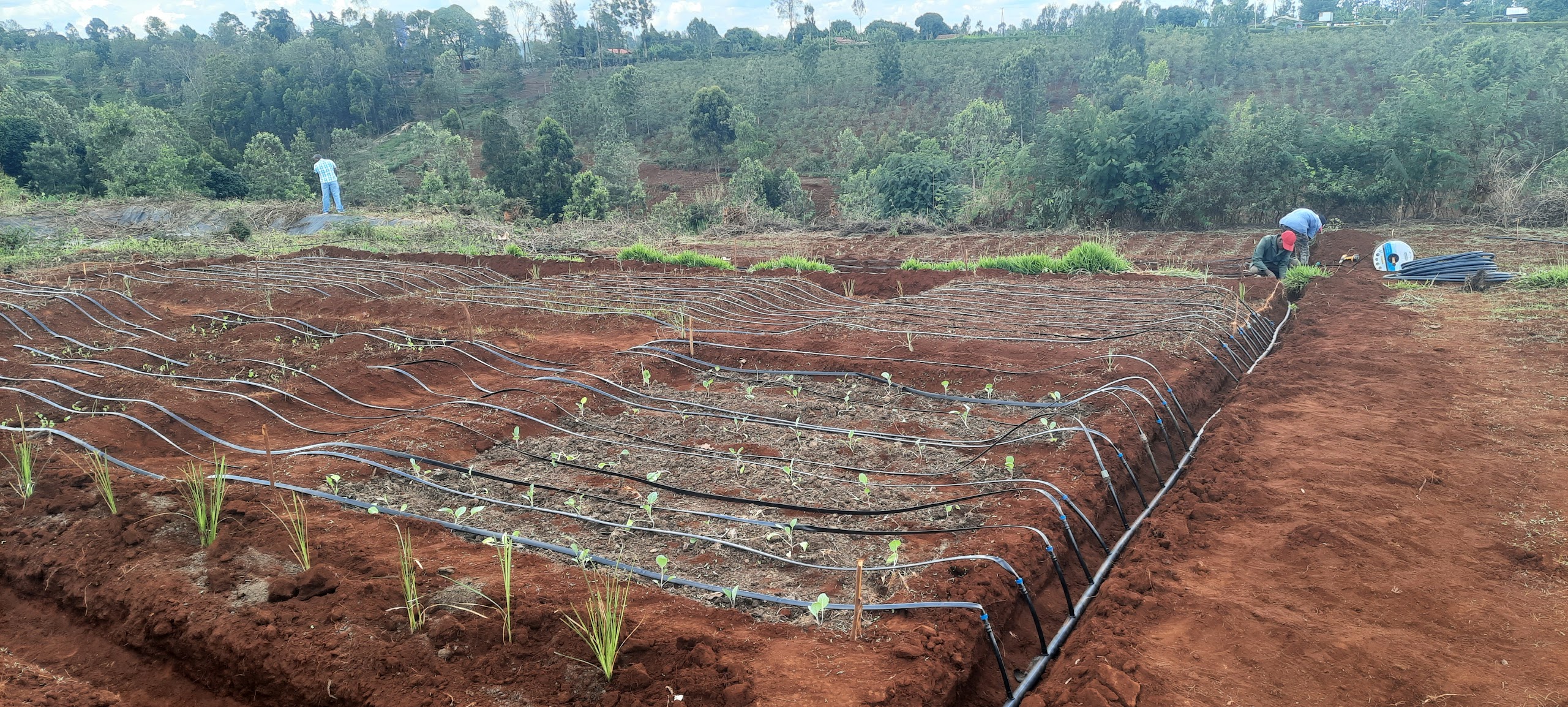
We carry out various types of research to analyse gaps, challenges and bottlenecks in various parts of the food system. This includes literature reviews, participatory appraisals, value chain analysis, agronomic and food technology experiments, agri-business modelling, multi-stakeholder consultation processes, and policy analysis. The outcomes of the research are intended to trigger innovations, improve development strategies, and formulate policy recommendations.
Strategy development & advisory services
One of the purposes of conducting research is to develop well-designed strategies for clients. These could be long term programmatic strategies, project priority plans, theories of change, work plans, or policy and regulatory implementation strategies. We also provide specialised advice on technical matters.
Interim management & mentorship for scientists
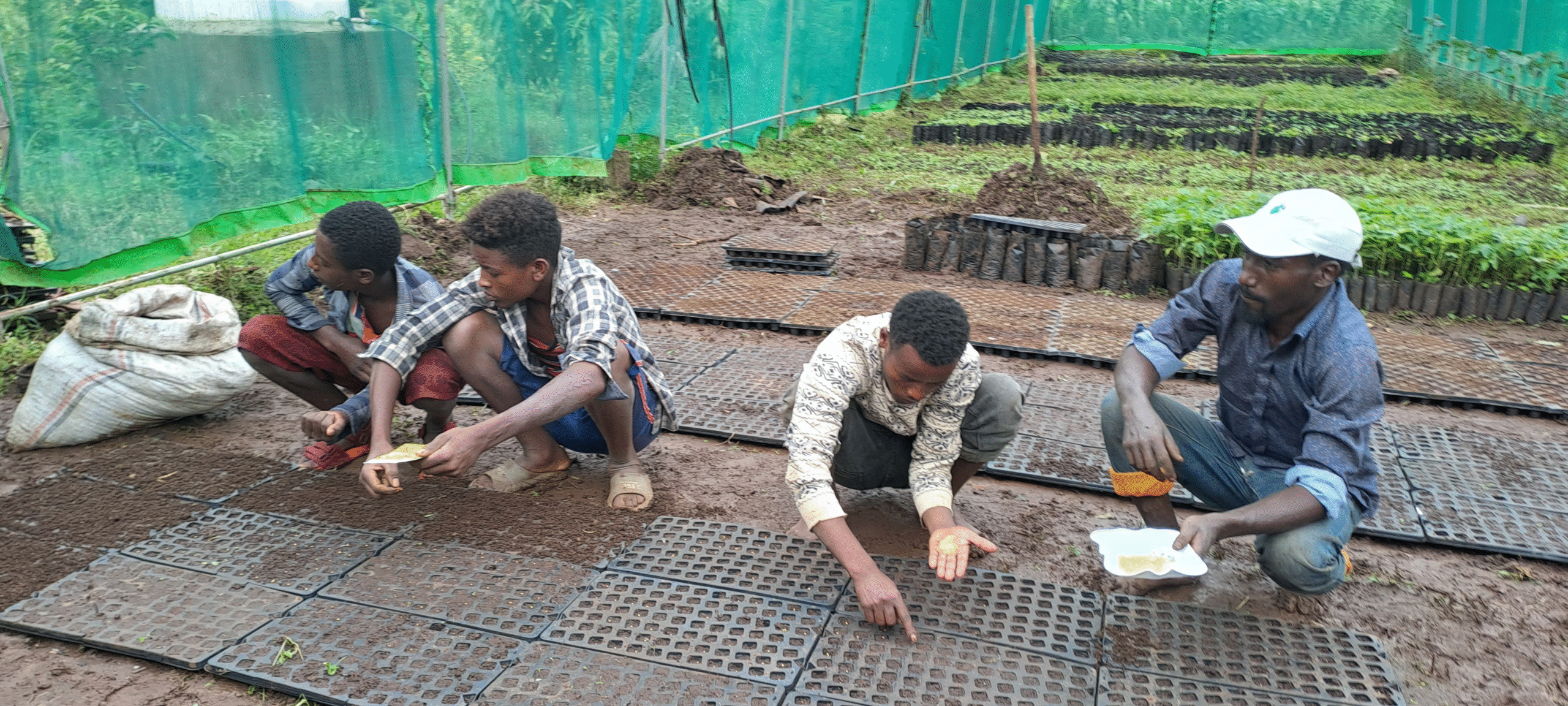
Building on our past roles as senior leaders and managers in various organisations, we provide interim services for organisations who are currently experiencing a vacuum in critical leadership roles. We are also passionate about building the capacity of young professionals in research and development professions, either through technical advice or through all-round mentoring.
Evaluation & impact assessment
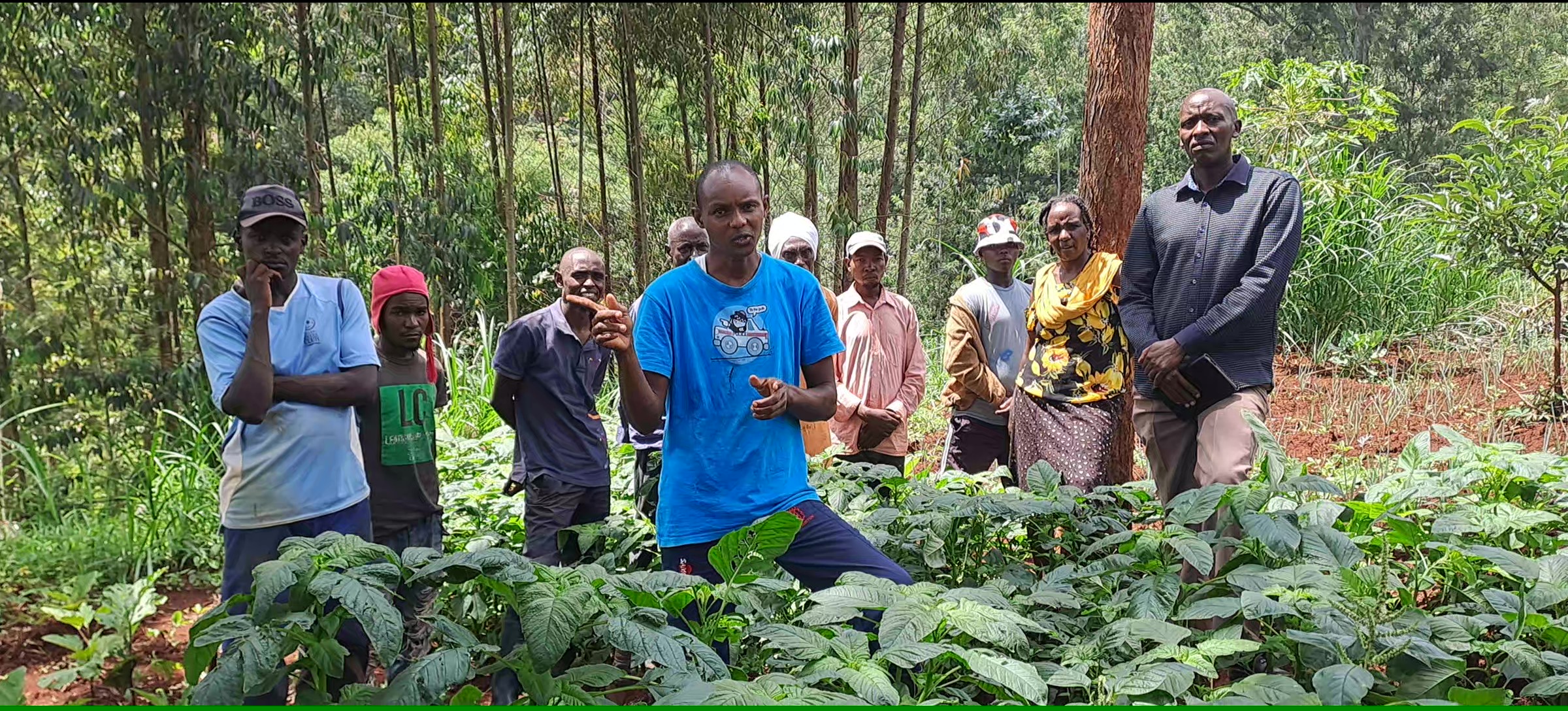
We carry out different types of project evaluations and impact assessments, such as evaluations of key performance indicators, log frames, theories of change, and partnership evaluations. In consultation with the client, we use quantitative and qualitative methods, field visits and stakeholder events.
Impact and innovation storytelling
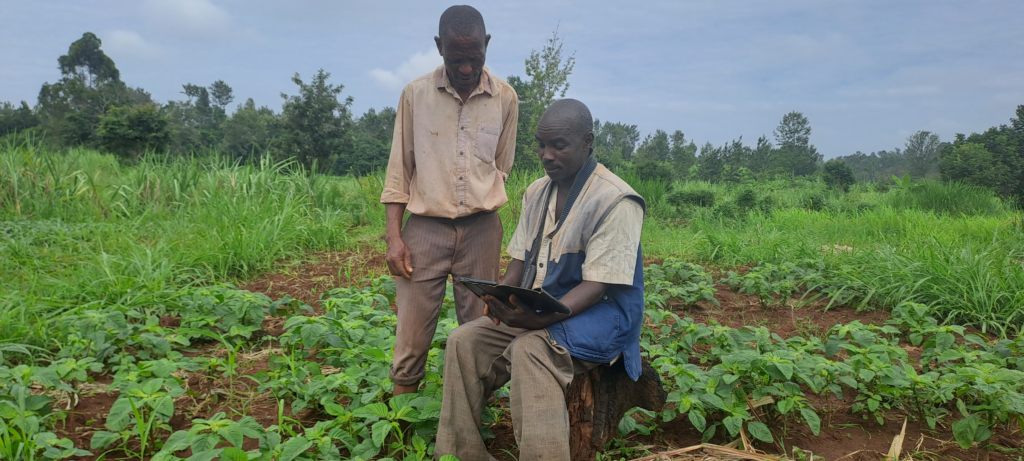
Mukinduri team members have a wealth of communication experiences. Our publications skills range from writing highly scientific papers to popular impact stories. We help you to improve your website and use social media to enhance visibility of your important work.
Proposal Writing & Experimental Design
Our team of consultants has an impressive track record of writing successful agricultural research and development proposals to donors such as the IKEA Foundation, Biovision Foundation, EU, the Scottish Government, and USAID. We help you to think through experimental designs to sharpen your research questions, make your methodology more robust, and your results more publishable.